Maintaining independence for as long as possible is so important for people living with dementia because it’s closely tied to dignity, self-worth, and a sense of purpose. Being able to make simple choices such as what to wear, when to eat, how to spend the day helps them feel more like themself and not like a child whose every move must be monitored. Even small moments of independence can provide comfort and reassurance, reminding them that their voice still matters and that they are respected as a person, not defined by a disease.
If you have a loved one with dementia, you may begin to find it harder, as the disease progresses, to stand back and let them manage on their own. Whether fearing for their safety, or simply to save time, the tendency is to step in quickly and take control. However, at a time when they are already struggling to adapt, this can have a negative impact, making them feel overwhelmed, frustrated, or left out, even when the intentions are loving and protective.
This is why supporting their autonomy whenever possible, even in simple ways, helps reduce anxiety and preserves a sense of safety and trust. Encouraging independence isn’t about expecting too much, it’s about finding gentle, meaningful ways to help them remain involved in their own life, connected to their day-to-day activities.
Here are ten key touchpoints to help maintain your loved one’s autonomy and independence for as long as possible:
- Simplify daily organization.
Help your loved one use a single system, such as a large-print calendar, notebook, or phone reminders, for appointments and plans. Keep everyday items (keys, glasses, wallet) in the same visible spot. A clock that shows the day and date can reduce confusion.
- Make bill paying safer and easier.
Set up automatic payments for your loved one’s bills through banks and service providers. Be sure to help them review statements regularly and gently monitor for unusual charges to prevent missed bills or scams.
- Keep meals simple and accessible.
Go shopping with them or arrange for grocery or meal delivery when possible. Stock easy-to-prepare foods and label items clearly to encourage independence. As they enter mid stages of dementia consider Wheels on Meals or other local services that can deliver a pre-cooked meal.
- Support medication management.
Use weekly pill organizers, alarmed pillboxes, automatic dispensers, or phone alerts. Set them up in advance and check in with them periodically to ensure medications are taken correctly.
- Plan safe transportation
Watch for signs of unsafe driving and discuss concerns calmly. As some point, it will be necessary to help them transition to public transportation, rideshare services, or community and volunteer ride programs to maintain mobility and social connection.
- Support predictable routines.
Work with your loved one to keep their meals, bathing, activities, and bedtime on a steady schedule. Familiar patterns make it easier for them to handle these tasks independently.
- Create a supportive home environment.
Improve lighting, reduce clutter, and remove tripping hazards. Add grab bars where needed and use labels or pictures on drawers and cabinets to make items easier to find. Use reminder notes, labeled photos, or a simple memory board with names and relationships to reinforce recognition and orientation.
- Promote meaningful involvement.
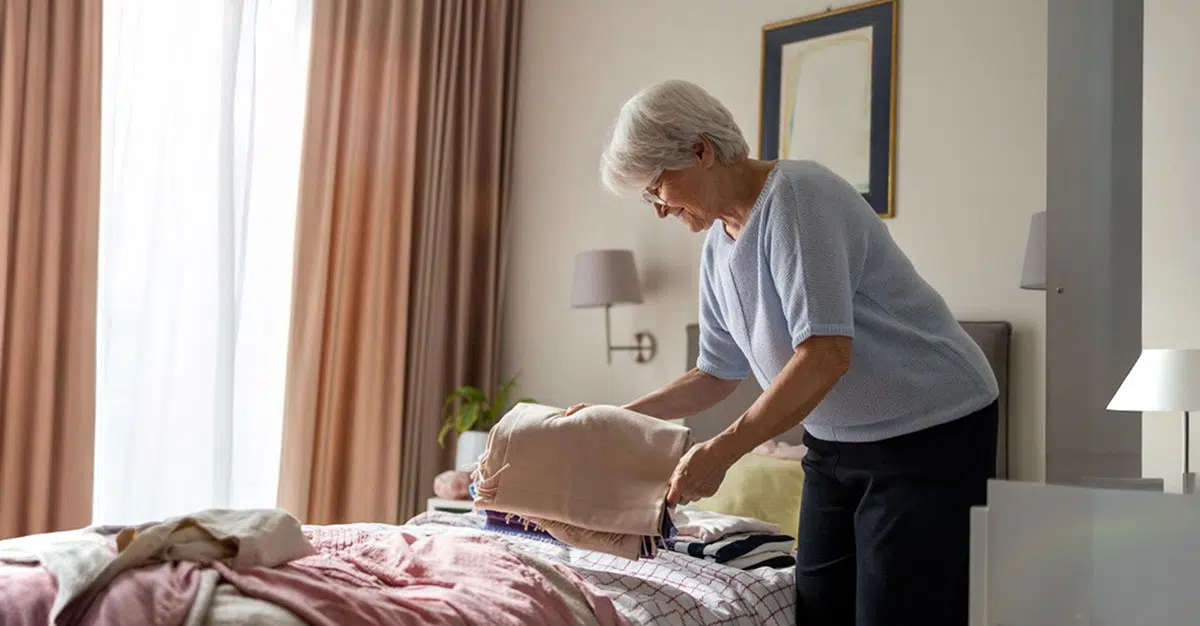
Invite participation in familiar activities like folding laundry, gardening, setting the table, or listening to favorite music. Purposeful tasks help maintain skills and confidence.
- Maintain their social connections.
Encourage regular contact with your loved one’s friends, family, faith communities, or senior programs to reduce isolation and boost emotional well-being. Socialization is so important to brain health and to help them retain cognition and memory for as long as possible.
- Protect their dignity and self-esteem.
Focus on what your loved one can still do. Offer encouragement, step in only when necessary, and adjust expectations as abilities change.
Family caregivers play a vital and compassionate role in protecting a loved one’s dignity during these changes. By supporting autonomy wherever possible and inviting participation in decisions both big and small, caregivers can help their loved one remain an active participant in their own life. It isn’t about doing less. It’s about walking alongside a loved one with empathy, patience, and respect as their needs evolve. These moments, even when they take extra time or effort, send your loved one a powerful message: You matter, and your voice still counts.
At our Anthem Memory Care communities, independence is at the heart of what we do. We empower residents to continue enjoying the activities they’ve loved throughout their lives while discovering new opportunities to use their talents and skills and pursue their personal interests.
We invite you to reach out to any of our communities. We’ll be glad to share our own insights, tips, and resources with you and learn how we might be of help to you and your family.
Since 2009,
Anthem Memory Care has been a haven for loved ones who need memory and dementia care. Our experienced, professional team expands over 20 communities with more than 1,300 suites designed for memory care needs. Each community offers numerous helpful amenities and resources, creating a nurturing and supportive environment that caters to the needs of our residents. Along with compassionate and personalized
memory care, we provide services in areas of wellness, health, and safety. We invite you to explore our services or contact us today if you have any questions.