


January 16, 2026
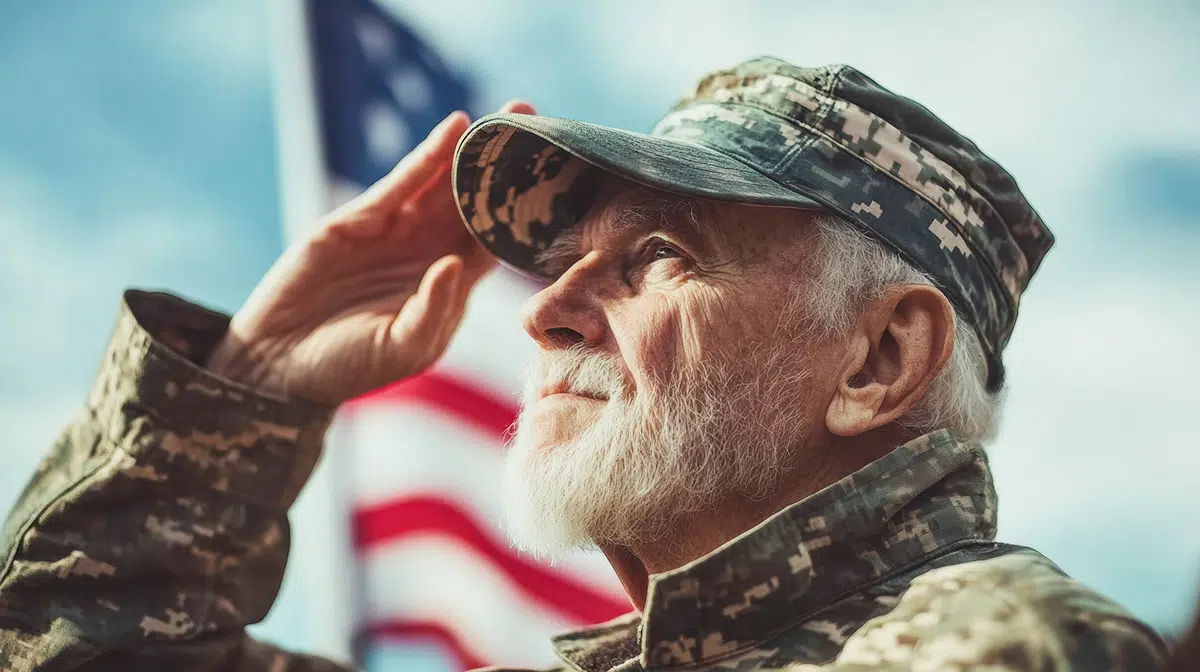
Many families with aging veterans are not aware of the connection between military service and an increased risk of dementia. They may also not realize that there are specialized medical care and support services available specifically for veterans living with dementia. Understanding both can make a meaningful difference, helping the loved one receive an accurate diagnosis and families find the right resources to support their loved one along the dementia journey.
If you have an aging loved one in your family who is a veteran, the first step is to learn about the dementia risk factors that are more common among veterans, especially those who served on active duty. These risk factors include:
What are some of the early signs of dementia among aging veterans?
Noticing any of the above in your loved one should lead to your next step, which is to help them get tested, the earlier the better. An early diagnosis will help them gain faster access to the resources, medications, and therapy they need to help them live a more active, independent life for as long as possible.
The following resources provide information, programs, and links to additional resources for families of veterans with dementia:
We also encourage you to reach out to any of our Anthem Memory Care communities.
We have an active, engaged veteran resident population inside all our communities and will be happy to share our experiences, insights, and tips with you. Ask us about our dementia support groups, led by licensed professionals, which allow family caregivers to share their experiences and concerns with others.
Veterans and their families face unique challenges when it comes to health and wellness. Those who have served on active duty often minimize physical or mental health concerns and may be hesitant to ask for help. That is why it is important for family members to be aware of the signs of dementia and to take proactive steps to get their loved ones tested and enrolled in programs to optimize their physical and emotional health.
Again, we welcome you to reach out to us for additional resources and to learn more about our dementia support groups and other programs. Early diagnosis and professional guidance will be key to effectively caring for your loved one with dementia. And, we are always here to help!