
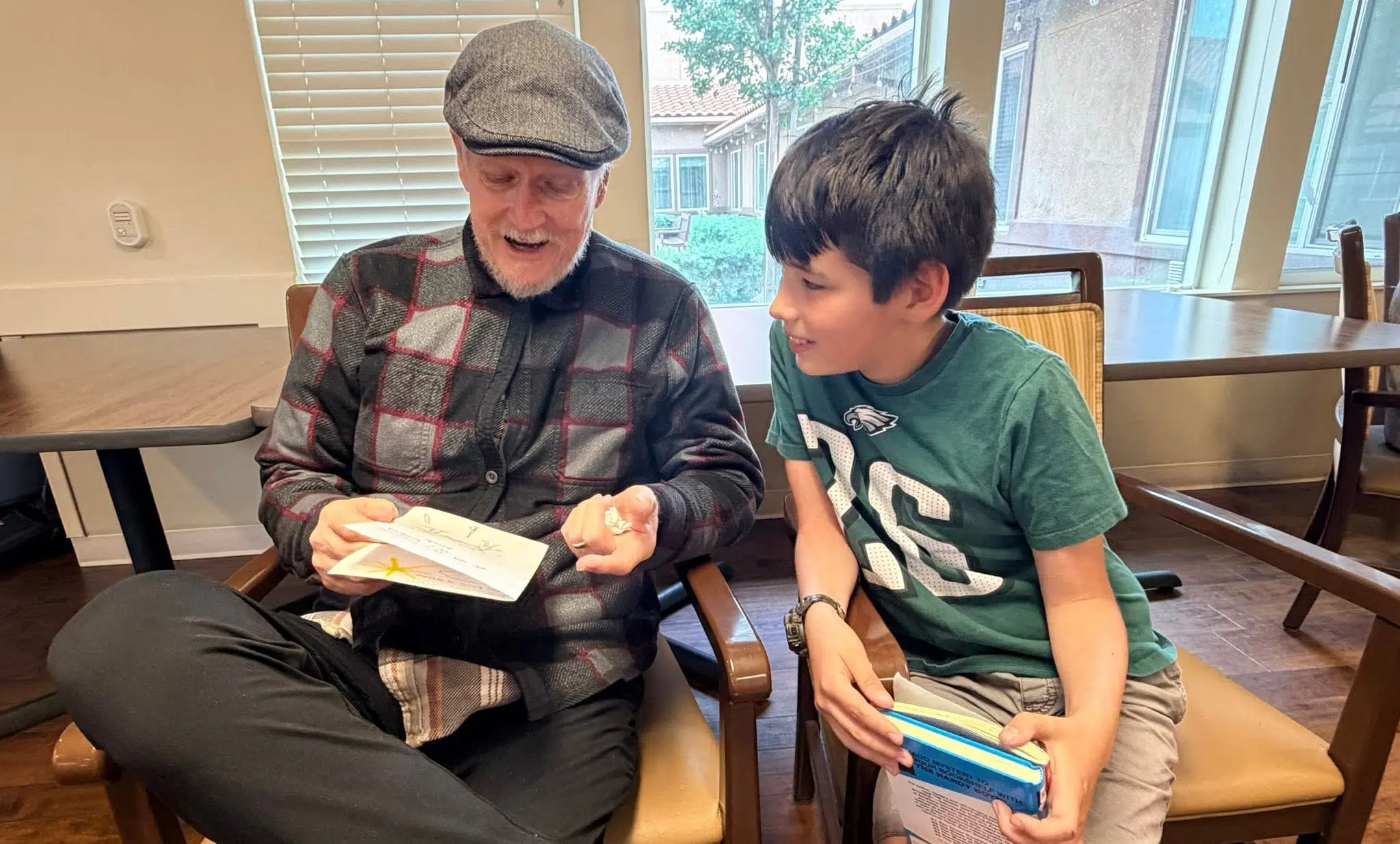
When a loved one has been diagnosed with dementia, it impacts the entire family. And that, of course, includes its youngest members. While adults often focus on caregiving responsibilities and medical decisions, children are quietly observing the changes happening around them. They may notice that Grandma forgets their name, Grandpa repeats the same story several times, or a beloved relative or family friend seems confused or acts differently than before.
Children are naturally curious and highly intuitive. When these changes are glossed over or unexplained, they may feel worried and confused. They may even believe they somehow caused the behavior. Having honest, age-appropriate conversations can help children better understand what is happening while preserving their connection with the loved one they care about.
Here are some tips for talking about a loved one’s dementia diagnosis with the youngsters in your family:
Try to use clear, brain-based explanations.
One of the best ways to explain dementia is by describing it as what it is: an illness that affects the brain. Avoid phrases like "losing their mind" or "just getting old," which are not only inaccurate but can create unnecessary fear or confusion. Instead:
These simple explanations help children make sense of behaviors that may otherwise seem frightening or confusing.
Provide ongoing reassurance and emotional support.
Children often internalize difficult situations, making reassurance an essential part of the conversation. Make it a point to reinforce the following:
And it’s important to note that sharing your own feelings in an appropriate way also shows children that talking openly about emotions is healthy and encouraged.
Help them adjust to the changes and build new connections to their loved one.
As dementia progresses, relationships naturally change, but that doesn’t mean they can’t still have a meaningful connection to the loved one. Help them understand:
Ideas for interacting and engaging might include:
These activities reduce pressure on memory while allowing children and their loved one to share meaningful time together.
Keep the conversation going.
Talking about dementia shouldn't be a one-time discussion. As children grow and the disease progresses, they'll likely have new questions and emotions. Encourage them to ask questions whenever they arise. Always try to answer honestly using language they can understand.
Open communication helps children feel safe, informed, and included during a difficult season. By explaining dementia with compassion and clarity, families can reduce anxiety, strengthen understanding, and continue building loving memories together despite the challenges of the disease.
(Residents in our Anthem Memory Care communities love visits from local school children. Our header image shows a resident of Vineyard Place Memory Care reading a card with a Cole Canyon Elementary School student in Murrieta, California, during one of many visits. The children love it too!)