
Have you neglected physical activity during this pandemic? We’ve certainly been reading a lot of articles and social media posts lately about getting out of shape during the COVID pandemic, as a result of sheltering in place. And, yet, when you think about it, why should social distancing and staying out of crowds keep us from exercising? The short answer is, “it shouldn’t!”
Our Anthem Memory Care communities have remained diligent about getting our residents up and moving during this pandemic. We know how important it is to keep muscles strong and plenty of healthy oxygen flowing. A big part of our commitment to wellness involves maintaining physical health as well as emotional health. Exercise helps accomplish both!
We’d like to share a few videos of residents in action. Spoiler: Lots of dancing. Enjoy!
Vineyard Place Memory Care in Murrieta, California, holds its exercise sessions outside!
Emerald Place Memory Care in Glenview, Illinois breaks out a birthday swing!
At Chelsea Place Memory Care in Aurora, Colorado, a resident gives a staff member a quick dance lesson!
If you are caring for an aging loved one, make sure they are getting up and exercising at least for a short time each day. Just a regular walk around the backyard is enough to get some fresh air and oxygen pumping into muscles and into the brain.
This pandemic may be keeping us from gathering places, but there is no reason to let it keep us from activity. Stay well. But keep moving!
Related Articles:
Father’s Day, this year, was certainly different! Quarantines have separated so many adult children from their fathers in concern for their safety. That means many fathers and children were not able to share hugs, stories and a favorite meal or box of candy this year.
Making that person-to-person connection is especially important for individuals challenged by dementia. That’s why, at our Anthem Memory Care communities, we took time in advance to plan a day that would not only celebrate the wonderful fathers in our communities but could be enjoyed by everyone.
Here are some wonderful images of our Father’s Day gatherings and happy fathers who sent love and good cheer to their families.

This dad at Chisholm Place Memory Care in Wichita, Kansas was greeted first thing in the morning by a balloon bouquet and candy. What a way to start the day!

Emerald Place Memory Care in Glenview, Illinois, held a car parade for all the dads (and grandfathers)!
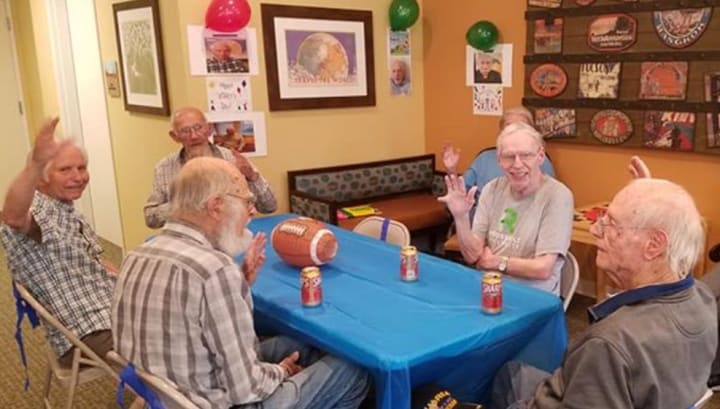
At Porter Place Memory Care in Tinley Park, Illinois, the dads created their own “man cave” to chat about their sons and daughters. A good time was had by all!

This dad at Chelsea Place Memory Care in Aurora, Colorado, received a banjo serenade from a family member to go with his dinner!

What was the verdict for this year’s Father’s Day? A big “thumbs up” from this Emerald Place Memory Care resident!
Most would agree, this was a Father’s Day we’ll never forget. And, while it was challenging to be sure, we are so glad our residents and families were able to celebrate through video chats, phone calls, window visits and car parades. Dads, you rock!
Related Articles:
Didn’t it seem like summer would never arrive? The pandemic has made us more eager than ever to get out into the fresh air. And yet, for the longest time, the weather was not cooperating!
So, what a relief to finally start seeing some warm summer weather come our way. As our communities begin to enjoy the sun and fresh air, residents and staff have been able to get outside more frequently. This has provided a welcome break from indoor activities.
Fresh air and sunshine are so important to our health, especially for loved ones who struggle with dementia. The aroma of fresh grass and flowers and the feeling of sun on their faces can lift the spirits and encourage connection and engagement with those around them.
Studies have shown that there are very real advantages to be gained by spending time in outdoor, natural settings with plenty of fresh air and sunlight. Benefits include:
At Anthem Memory Care communities, our caregivers take every opportunity to encourage our residents to get out and enjoy good weather. Below are some recent photos taken of residents and staff taking advantage of warmer days. Enjoy!
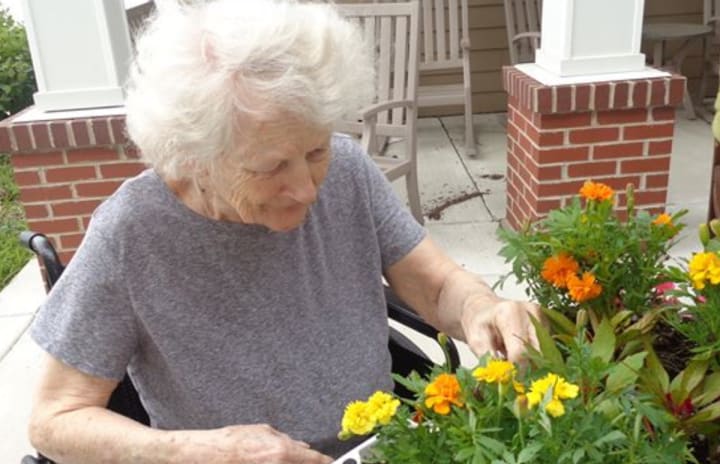
This resident of Grace Point Place Memory Care in Oak Lawn, Illinois, shows off her gardening skills.

What better way to spend the day than to go fishing? This resident of Porter Place Memory Care in Tinley Park, Illinois, couldn’t agree more!
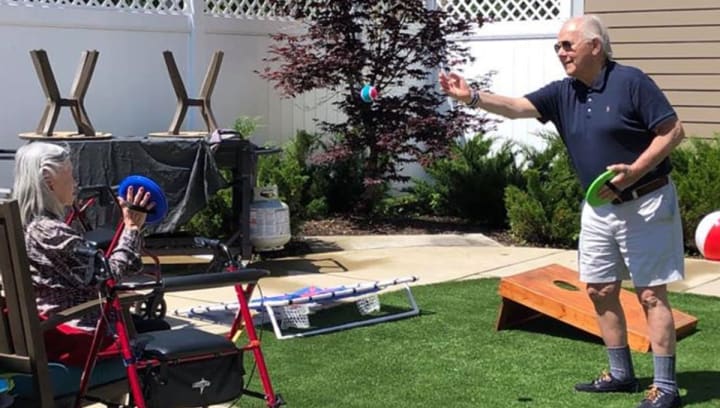
These residents of Emerald Place Memory Care, in Glenview, Illinois enjoyed some outdoor games.

Nothing better than sitting in the sun at Willowbrook Place Memory Care in Littleton, Colorado!
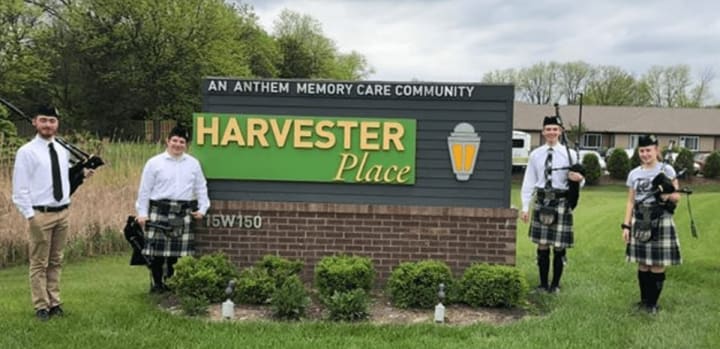
Better weather brought out the bagpipers for an outdoor symphony at Harvester Place Memory Care in Burr Ridge, Illinois.

Fresh air brings a smile from a resident of Chisholm Place Memory Care in Wichita, Kansas!
We’re all glad to have the warmer weather that comes with our summer season! Whether it’s engaging in physical activities or just sitting and feeling the sun on our faces, all help lift the spirits and improve our health. Along with the warmer weather we look forward to more days out in the sunshine for our residents and staff. We wish the same to you as well!
(The blog cover image is of two residents enjoying the warm weather at Vineyard Place Memory Care in Murrieta, California.)
Related Articles:
How do you feel when you hear an old song? If you’re like most of us it takes you back instantly to another time and place. Music has a way of reaching in and sparking memories within us in a way that is unique and powerful. And this is especially true for those individuals who are challenged by dementia.
While we may be social distancing these days, at our Anthem communities, the spirit of music is keeping lots of positive energy flowing. Recording and sharing these moments is bringing lots of smiles and joy to our residents, their families and our loving staff members.
We’d like to share a few of these special moments with you, courtesy of our talented and wonderful residents. Enjoy!
Jackie sits down to play piano at Willowbrook Place Memory Care in Littleton, Colorado.
Staff member, Gabriel, serenades Daisy at Vineyard Place Memory Care in Murrieta, California.
Maria, also a resident at Vineyard Place Memory Care, sings a rousing version of "Amore"!
A very special window serenade at Porter Place Memory Care in Tinley Park, Illinois.
Music is such an important part of all of our lives, regardless of the challenges before us. Adding some cheerful melodies into the lives of our residents helps them connect, not only to the melodies themselves, but to family members and the loving staff around them.
If you are a family caregiver at home with a loved one challenged by dementia, try playing some of their favorite tunes. It can bring a little added sunlight into their day and perhaps even spark a few spontaneous memories.
Related Articles:
“It is not how much you do, but how much love you put in the doing.” — Mother Theresa
Never have those words rung so true as they do for caregivers working in today’s world. As many of you know, our mission at our Anthem Memory Care communities has always been to “protect, engage and love” our residents. So, when the pandemic hit, our caregivers, nurses and support staff rose to the occasion, demonstrating by their actions their dedication to that mission. It seems like every day a new hero emerges, going the extra mile to keep our residents well cared for, living each day with purpose and joy.
It is in that spirit that we’d like to share some special photos of true heroes at work.
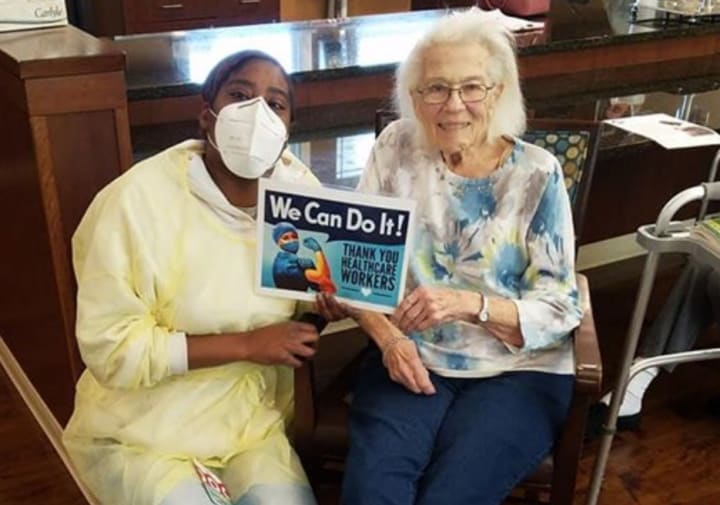
Cooking delicious meals for residents may be Jameica’s main responsibility at Harvester Place Memory Care in Burr Ridge, Illinois. But her favorite time of the day is visiting with the residents!

Monica, Mary and Ellie, caregivers at Greenridge Place Memory Care in Westminster, Colorado, strike their “We can do it!“ pose. All three “go above and beyond each and every day, providing care and showing compassion!”

At Highline Place Memory Care in Littleton, Colorado, caregiver Naomi helps a resident use technology to connect to his family. These connections are so important to our residents!
 Jordan at Chisholm Place Memory Care in Wichita, Kansas, is so caring and conscientious with the residents. She brightens the room when she walks in!
The top image in this blog is that of community relations director, Chastity Robinson Mwangi, with a resident of Morningside Memory Care in Overland Park, Kansas.
It is so important during these times to stop and honor those who are caring for our residents. These are challenging times for all of us. But, together, we are keeping our environments healthy and full of love and joy. We’ll get through this together!
Related Articles:
An article on art as therapy, in Harvard Health, references studies showing how engaging in art activities for those challenged with dementia can help them reconnect to the world around them. Art can also help with chronic mental health conditions, such as anxiety and depression. And, no, it’s not about producing a perfect work of art. “It’s the process, not the product,” according to Megan Carleton, art therapist at Harvard-affiliated Massachusetts General Hospital.
Indeed, it is the process. And no one knows that better than the caring, creative staff members at our Anthem Memory Care communities. During this challenging pandemic, our art supplies have been out in full force as we encourage our residents to express themselves through fun and relaxing art projects.
Below are some images of residents enjoying the soothing, calming, joyful art activities. These art sessions never fail to bring smiles and uplifted spirits to residents and staff alike!

Jigsaw-art study in purples and blues at Chisholm Place Memory Care in Wichita, Kansas.
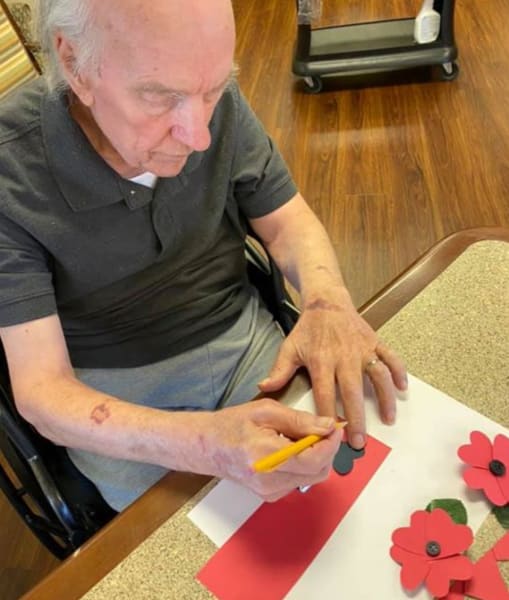
Poppy flower pins add a touch of brightness and hope for residents at Greenridge Place Memory Care in Westminster, Colorado.
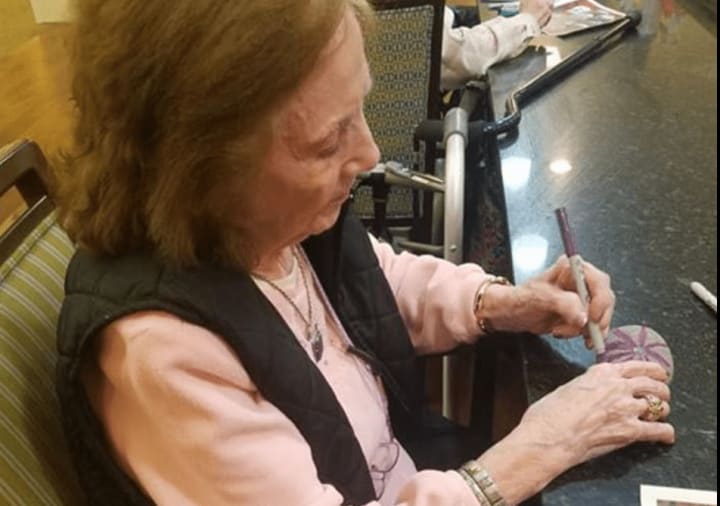
Painting pretty designs on smooth rocks to brighten the garden at Porter Place Memory Care in Tinley Park, Illinois.

The beginnings of a colorful birdhouse at Greenridge Place Memory Care.
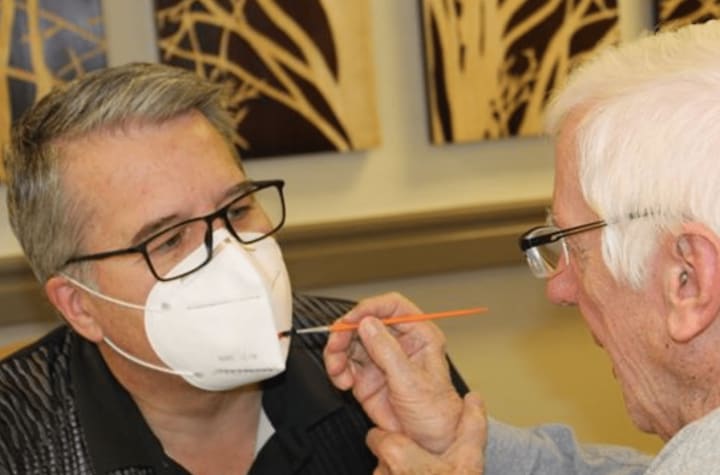
This mask is a tempting canvas for a resident who adds a bit of color at Chelsea Place Memory Care in Aurora, Colorado.
Art can have an amazing positive impact for just about everyone, including those struggling with dementia. If you are caring for a loved one with Alzheimer’s disease or other dementia, try injecting some art into their life.
Projects should be kept simple and easy to follow. Remember, it is not about the appearance of the finished product, it’s about the process itself. Sit down and work alongside your loved one. You may find a renewed sense of connectedness and joy yourself!
Related Articles:
It’s true that COVID-19 has changed many aspects of our lives with social distancing, wearing masks and gloves and doing our part to stay healthy. And, of course, our number one priority is keeping our staff and residents clean, keeping our communities clean and closely following the guidelines recommended by the CDC (Centers for Disease Control).
But there is one thing that COVID-19 cannot take from our Anthem Memory Care communities: our ability to find joy and meaning in the daily lives of our residents and staff! It is in that spirit that we share some of our favorite recent photographs. Enjoy!
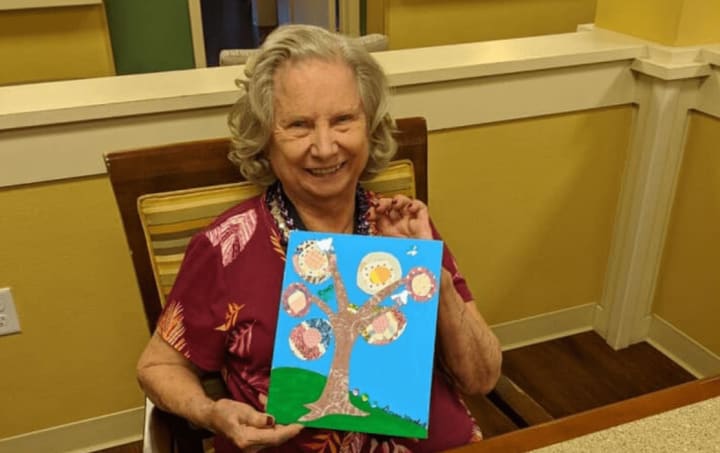
After a fun painting session, a proud resident of Greenridge Place in Westminster, Colorado, shares her artwork!
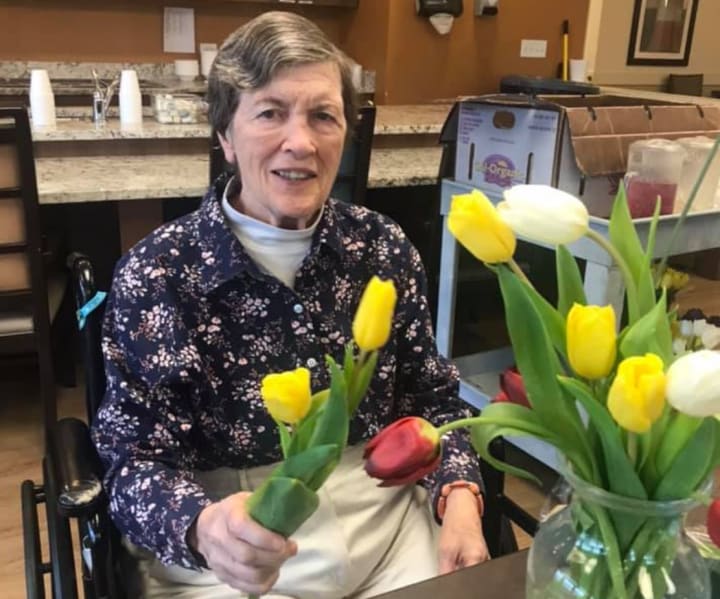
Tulips are in season! Showing off flower arranging skills at Emerald Place Memory Care in Glenview, Illinois.
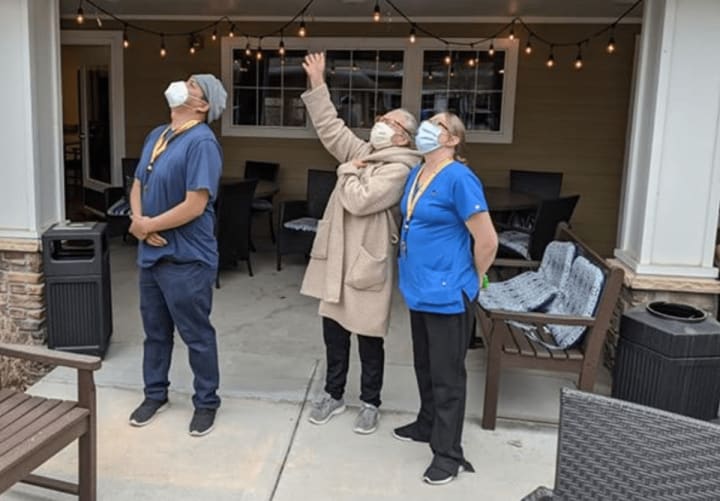
Exciting moment as Thunderbirds do a fly-over at Highline Place Memory Care in Littleton, Colorado!
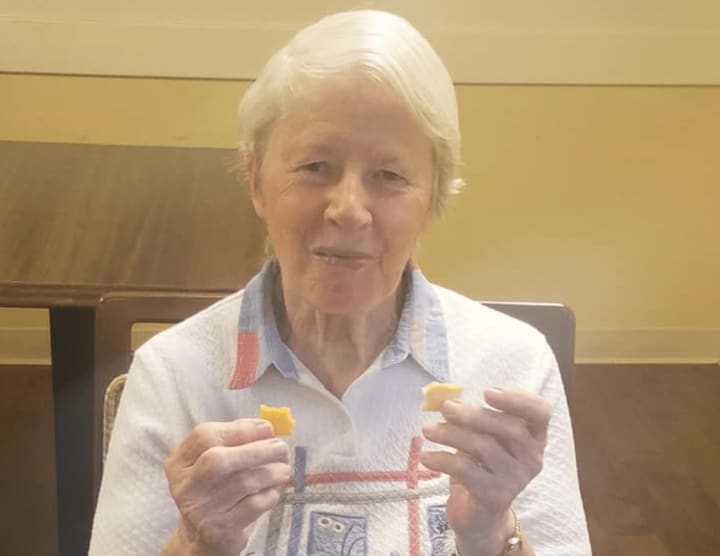
Which is better, the cheddar or the gouda? Cheese tasting at Porter Place Memory Care in Tinley Park, Illinois.
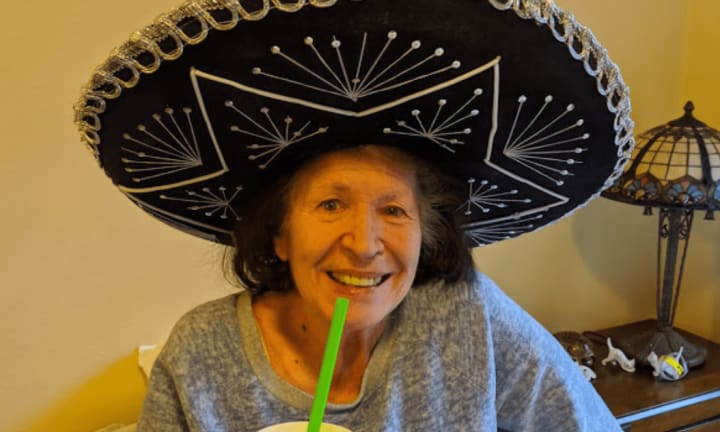
Cinco de Mayo fun at Highline Place Memory Care in Littleton, Colorado.
Yes, these are challenging for all of us. But we are so grateful for the day to day pleasures we can share with our wonderful staff and residents. We look forward to better days ahead, as we continue to work together to keep our spirits up and our days full of joy.
Related Articles:
Everybody loves a parade! That’s why Anthem Memory Care communities organized some very special ones in honor of Mother’s Day. Working with families and friends of residents and staff, everyone got into the spirit, decorating their cars with signs and balloons. As soon as the residents took their places right outside the front doors the festivities began as cars slowly wound their way around the main driveway so that all the residents could see their loved ones.
Signs emblazoned with “Happy Mother’s Day” and “We love you!” festooned the car procession as grandchildren and great grandchildren popped their heads out of windows and drivers honked their horns and waved.
The video below, filmed by Jennifer Dill, Life Engagement Director at Chelsea Place Memory Care in Aurora, Colorado perfectly captures the festivities:
And another great video from Porter Place Memory Care in Tinley Park, Illinois:
And we’d also like to share some great photos of parade participants and residents enjoying the special day at Anthem Memory Care communities:
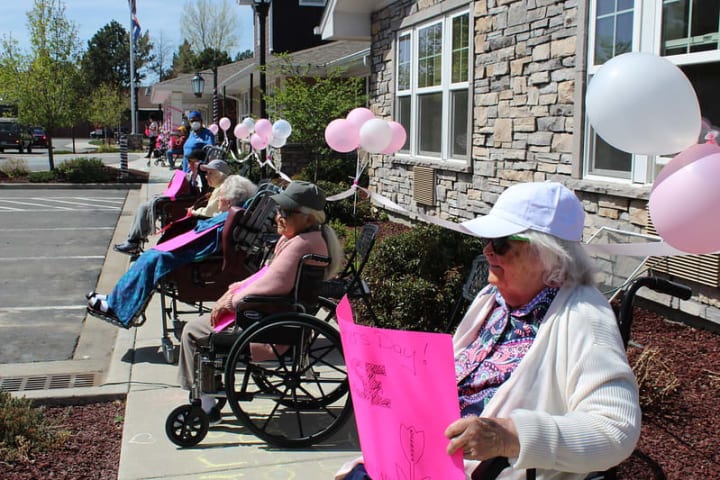

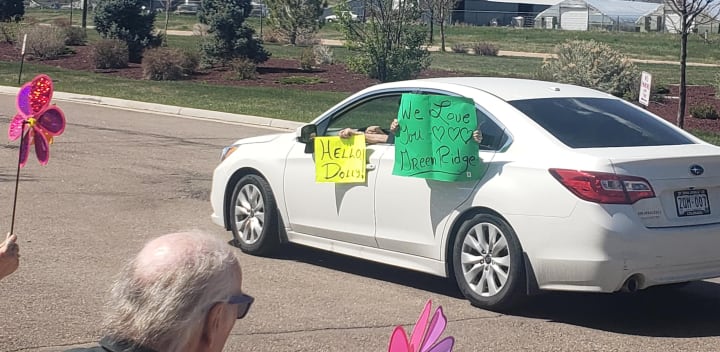

This Mother’s Day was unlike any other, to be sure. But that didn’t stop us from celebrating! We are so grateful to the wonderful families, friends and staff of our communities for rising to the occasion with such a special tribute to all the wonderful moms we are honored to “protect, engage and love” every day in our communities. Thank you for making this a very special Mother’s Day!
Related Articles:
If you are a family member of an individual in assisted living or memory care, you are no doubt feeling frustrated by the lack of human contact. Few would argue that COVID-19 has changed the way we interact. And, while it may be temporary, that doesn’t make it any less frustrating for all of us.
While technology will never replace the human touch, what it can do is to enable loved ones to visit and share family moments together using a smartphone or a tablet, such as an iPad. At Anthem Memory Care communities, we are big believers in connecting our residents to their family members using technology when distance (and, most recently, a pandemic virus) keeps them apart.
We hope you enjoy some of our favorite images of Anthem Memory Care residents spending quality time with family and friends using tablets and technology:

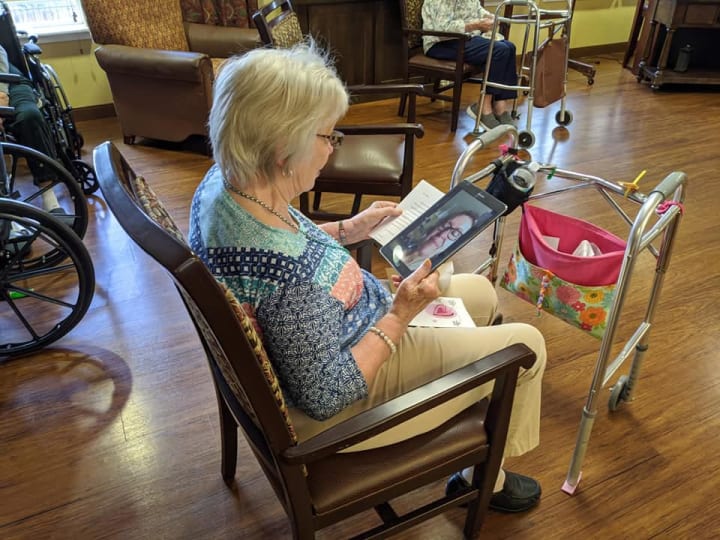

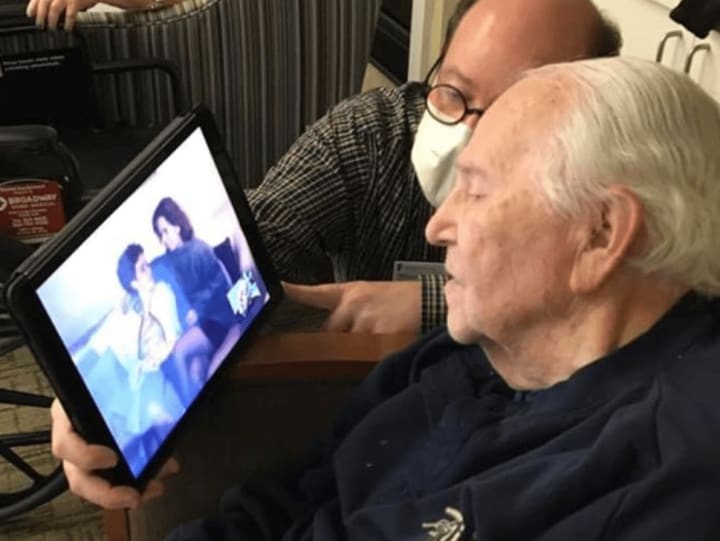
While these days are challenging for all of us, we can thank technology for giving us a way to continue to protect, engage and love our wonderful residents. We are honored to be able to connect them to the smiling faces of those they love. We look forward to better days ahead. But, for now, these virtual connections are worth everything!
Related Articles:
Porter Place Memory Care in Tinley Park, Illinois recently honored therapist, Kelly (shown in photo above), their on-site physical therapist (through Legacy Healthcare), for her outstanding work with their residents.
Bobbi Kelley, Community Relations Director for Porter Place notes the importance of regular therapy for individuals with Alzheimer’s disease. She references studies that have shown that an hour of therapy conducted over a 12-week period, significantly reduced depression and aggression in individuals with dementia. Occupational, physical and speech therapists are so important to the overall wellbeing of residents. And that’s especially true during these challenging times.
Regular therapy, when conducted by licensed professionals can do wonders to improve the lives of individuals with dementia. Here are some of the benefits many are able to enjoy:
Regular therapy is recognized as being beneficial to aging individuals and helping them continue to adapt to and connect with the world around them. Maintaining as much cognitive ability and physical strength as possible impacts daily life in a positive way, better preparing individuals for unforeseen events, such as COVID-19.
Here is another great photo of Kelly with a Porter Place Memory Care resident:
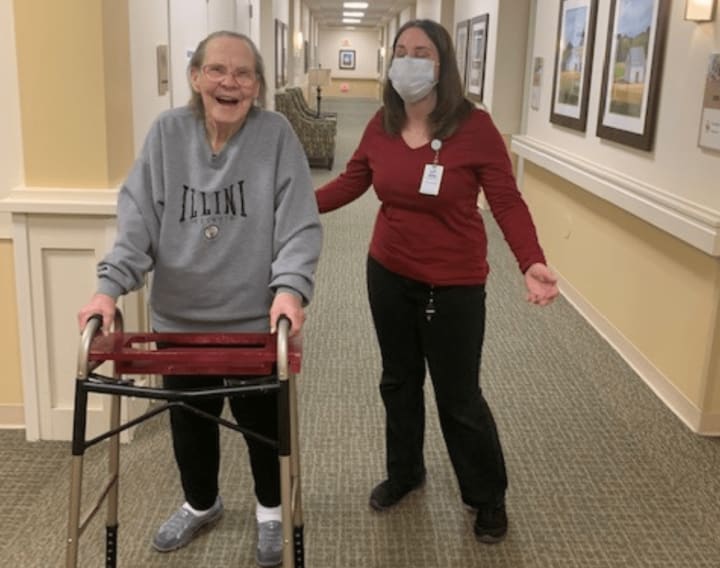
If you are caring for a loved one with dementia, it is important to make sure that they are getting exercise and that you are regularly connecting with them in meaningful ways. Keeping them engaged and as healthy and active as possible will help them be better prepared for the weeks and months ahead as we all pull together to get through this challenging time.
And thank you, Kelly, for helping Porter Place protect, engage and love their residents!
Related Articles:
Since we started our “Thank our Heroes” campaign, about a week ago, we’ve begun getting some wonderful letters from family members of our residents.
We believe that it is so important during these times to take extra care of those who are caring for our residents. These individuals are true heroes, lovingly tending to the needs of our residents, many of whom, due to their conditions, are struggling to comprehend what is going on around them. This isn’t an easy time, but it is one we are getting through together. And letters of support help enormously.
Below are just a few of the letters our amazing caregivers are receiving.
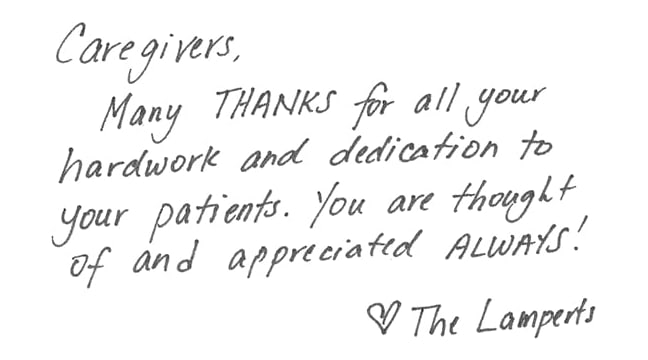


And, at Grace Point Place, we received some letters too big for the box!

There is a saying that adversity reveals character. The challenges brought on by this virus have revealed the heroic character of so many individuals in healthcare. If you speak with a caregiver, be sure to express your own gratitude for the loving and patient care they are providing. These are true heroes and they will carry the knowledge of their contributions with them in the years to come.
If you would like to send a letter to one of our Anthem Memory Care communities, you can either mail it to the community or place it in the collection drop box in front of each community entrance.
Thank you! Your words of support make a huge difference!
Related Articles:
Uppermost on our minds these days is making sure our frontline caregivers are equipped with the PPE (personal protective equipment) they need to keep residents and themselves safe. No one is more committed to that than our Anthem Memory Care CEO, Isaac Scott, who has been relentless in identifying PPE sources, wherever they might be. He is the reason, for example, that Anthem Memory Care communities were the first to have on-site COVID-19 testing kits. And Isaac has made sure that we have gowns, N95 masks, face shields and hand sanitizers.
Actually, there’s quite a story behind the hand sanitizers. When our supplier put all orders for hand sanitizer on “back order” until mid-April, Isaac immediately began looking for alternatives to get these critical supplies into the hands of our hardworking staff (or “heroes” as we call them). But where to find them?
Isaac’s best bet was to locate a source with the raw ingredients on hand to put together what they needed; one that could also deliver sufficient quantities. The answer? Find a distillery!
“It’s certainly unconventional, but when I connected with the distiller they were equally excited to create a product that helped our community staffs,” said Isaac. “It was a team effort!”
With his mission locked in, Isaac Scott took off on a road trip through Portland in search of a distillery that, like him, was willing to think (and act) outside-the-box. He found it at Portland’s Shine Distillery and Grill. Working with the folks at Shine, Isaac was able to cut delivery time of sanitizers from over a month to 5 days!
Here are a few excerpts from Isaac’s journal:
March 20th: I got a report from community ESDs and EDs that all sources for hand sanitizer are either kicking their orders out or putting them on back order until mid-end April.
March 20th: Shannon Gutierrez (VP/Operations) mentioned to me that she heard of distillers they were pivoting from spirits to making hand sanitizer.
March 21st: Woke up and headed downtown Portland to check in with a couple of distillers. Westward Whiskey was my first stop. They told me that they were not switching but to check with Eastside or Shine. Eastside was down the block but closed, so I called Shine and they said that they were the spot! Because they were quarantined, we negotiated the purchase over the phone. They were already making small bottles to sell/give out to the Portland neighbors in their effort to support the community. We purchased 55-gallons as well as giving them a donation to support them continuing to offer to neighbors free hand sanitizers. A win-win-win for everyone.
March 24th: I picked up 55-gallons of hand sanitizer, boxed them up and shipped them out to each of our communities.
It was an effort worth recording, and Isaac retraced his steps in a series of short iPhone videos below.
“Although this period has been trying for us all, I am excited to be working in an industry that is looking at all ways to protect our residents and staff,” Isaac said. “My message to our residents is “we’re not letting up. We’re here for you and will protect, engage and love you through this tough time!”
During these challenging times, we seek positive words and encouragement from those around us as we all work together to stay healthy and care for our aging population. This is especially challenging for those are protecting, engaging and loving those living with dementia.
So you can only imagine how moving it was when caregivers at Porter Place Memory Care in Tinley Park, Illinois left from their shifts to be greeted on the front lawn by a virtual garden of signs, created by a resident’s family and friends, all expressing thanks and sharing positive thoughts for these frontline heroes who are serving the residents they have grown so close to. (Visit the Porter Place Facebook page for more sign photos.)
“Today the staff was overwhelmed with tears of gratitude,” said Porter Place Executive Director, Colleen Kamin. “We are so blessed and grateful for the amazing families we have here at Porter Place. We know how difficult this time is for families, without seeing your loved ones. We are so thankful for the generous and appreciated snacks, meals, cards, letters, homemade cloth masks, artwork and words of kindness to all of the staff here.”
There is a real sense of community inside the doors of Porter Place as caregivers and other staff work tirelessly to keep residents safe and engaged. The signs from the greater community were a welcome sight for all those who are putting in so much effort for the residents and families. And, being true heroes, they remain determined to continue to do whatever is necessary to keep this community healthy.
As Colleen Kamin so aptly put the sentiments of all those serving around her, “We will get through this…We are Porter Place STRONG!”
Related Articles:
These days, one of the first questions we ask each other is: How are you coping? Are you social distancing? How are your family members? These are unprecedented times and we are all learning a new emotional vocabulary as we grapple with our individual situations and look for ways to reach out and stay engaged.
Our creative and caring staff at our Anthem Memory Care communities have been busy, not only keeping residents safe and healthy, but engaging them in activities that are enjoyable and help restore a sense of calmness and connectedness to those around them and family members.
Below are photos from four of our communities that we hope you enjoy. Stay safe, everyone! We will get through this together!
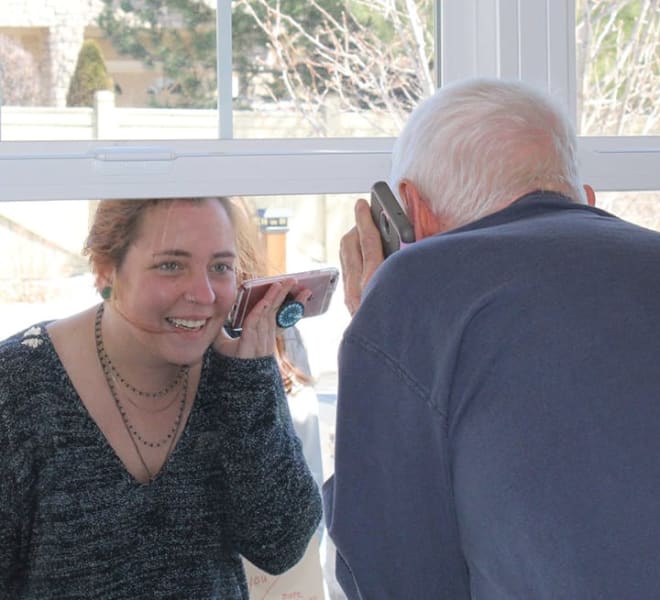
Chelsea Place Memory Care in Aurora, Colorado - Keeping residents and family connected!
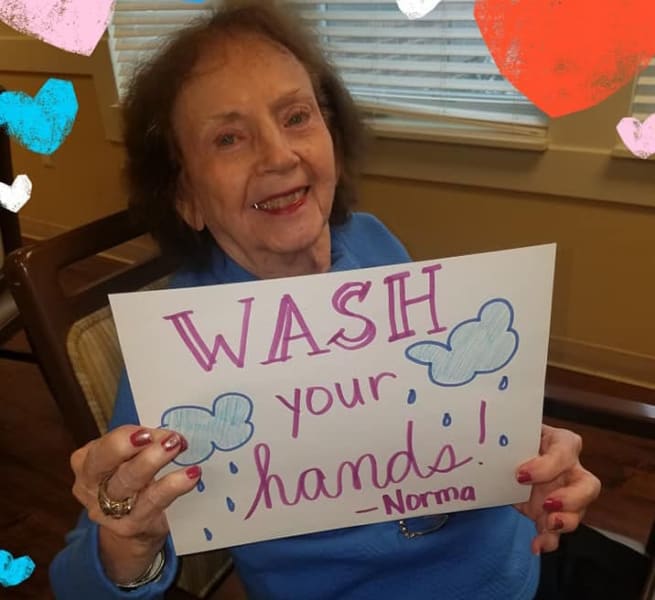
Porter Place Memory Care in Tinley Park, Illinois - Encouraging everyone to stay clean and healthy!
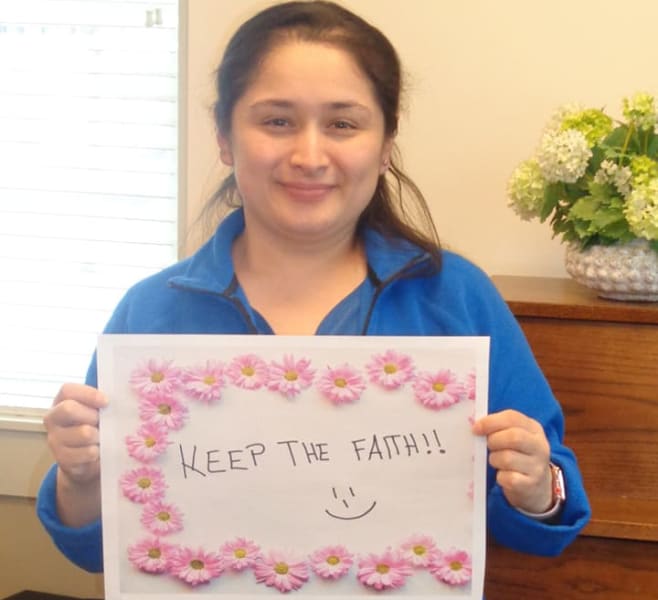
Grace Point Place Memory Care in Oak Lawn, Illinois - Proud of its compassionate staff during these challenging times.
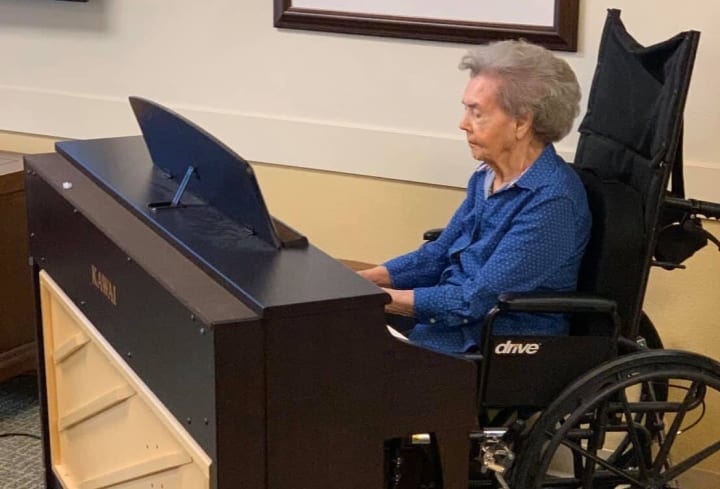
Willowbrook Place Memory Care in Littleton, Colorado – Nothing like a few piano tunes to keep spirits high for everyone!
Related Articles:
Here at Chelsea Place, there is no higher priority than the safety and wellness of our residents and team members. We want you to know that our commitment to Protect, Engage and Love our residents is a responsibility we take very seriously. From the onset of COVID-19 we have been closely monitoring the situation and have implemented strict measures, based on CDC protocol, to protect our community. We will get through this challenging time together. And we’re here to help!